Morgan Powell · 26 September 2026
Analyzing Barrel Storage Conditions That Affect Long-Term Spirit Preservation at Professional Assemblies
Barrel storage conditions play a central role in how spirits maintain their quality over extended periods, especially when professionals gather to review and refine preservation techniques at industry assemblies. Temperature fluctuations, humidity levels, and airflow patterns all interact with the wood itself, which means small changes in the storage environment can shift evaporation rates and chemical stability inside each cask.
Key Environmental Variables in Barrel Storage
Research indicates that consistent temperatures between 15 and 20 degrees Celsius help limit excessive expansion and contraction of the barrel staves, while higher humidity around 65 to 75 percent reduces the volume lost to evaporation. Observers note that when these ranges drift outside typical tolerances, the so-called angel's share accelerates and the remaining liquid can develop off-notes from increased oxygen exposure. Data from the U.S. Alcohol and Tobacco Tax and Trade Bureau shows measurable differences in proof and volume retention when storage rooms maintain steady conditions versus those that experience seasonal swings.
Light exposure presents another measurable factor because ultraviolet rays can degrade certain congeners over time. Facilities that store barrels in darkened warehouses or use UV-filtered lighting report slower color shifts and fewer changes in volatile compounds. Ventilation systems also matter since stagnant air allows mold growth on the exterior while excessive airflow can strip moisture from the wood and alter the internal pressure balance.
Monitoring and Data Collection Practices
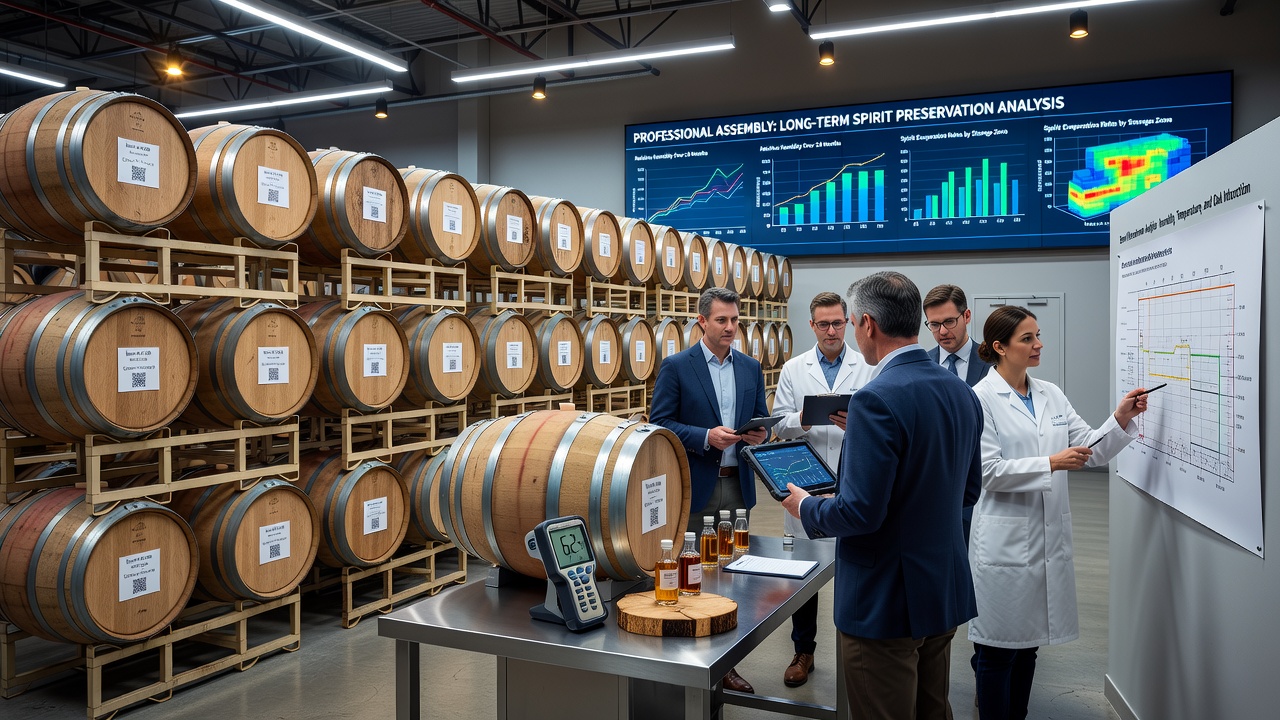
Professional assemblies often feature demonstrations of sensor networks that track temperature, relative humidity, and barrel weight in real time. These systems feed continuous readings into centralized dashboards, allowing teams to spot trends before they affect large batches. One study from the University of Adelaide's wine and spirit research group found that even brief spikes above 25 degrees Celsius during summer months correlated with measurable increases in ester formation and a slight drop in higher alcohols after 24 months of aging.
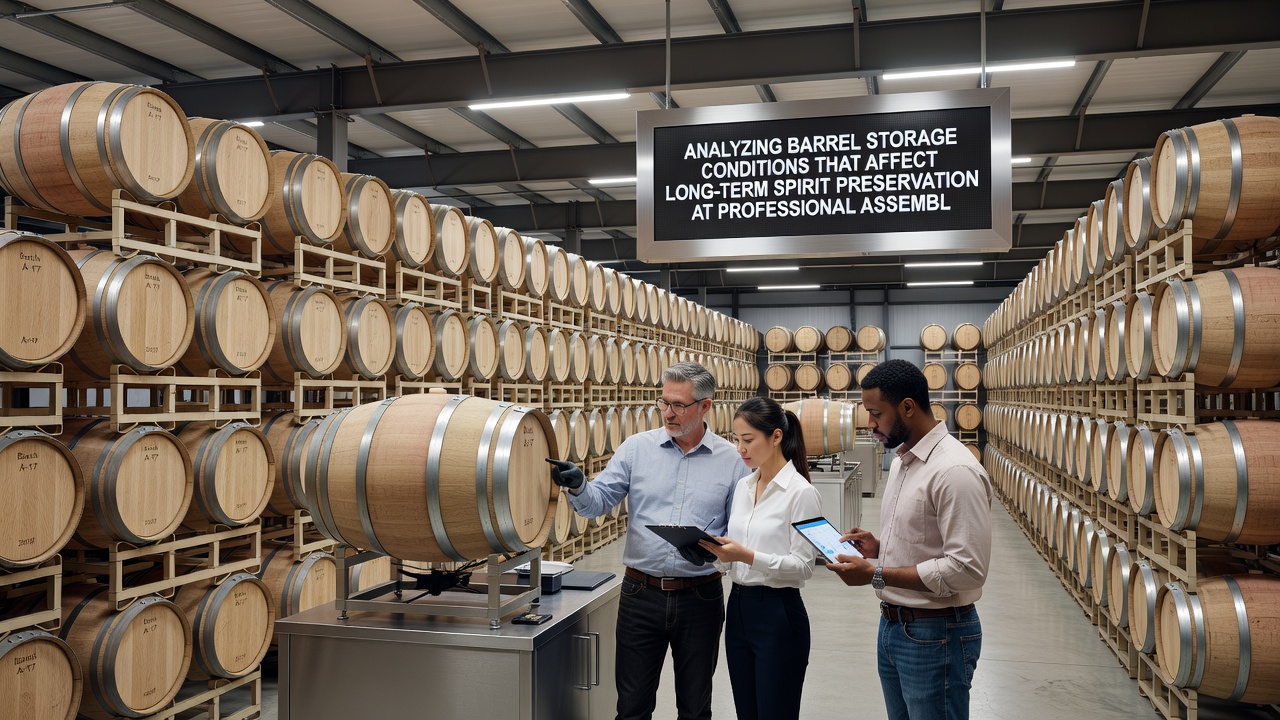
Barrel orientation and stacking height receive attention as well. Horizontal racking tends to keep the headspace smaller and more stable, whereas vertical storage can create temperature gradients from floor to ceiling that affect the liquid differently at various depths. Assembly presentations frequently include case studies where facilities adjusted racking layouts and documented subsequent changes in maturation speed and flavor consistency across multiple vintages.
Regional and Regulatory Considerations
Standards vary by region because climate and building practices differ. Canadian facilities often emphasize robust insulation to counteract winter extremes, while operations in warmer climates focus on active cooling and dehumidification. Regulatory bodies in the European Union require documented environmental logs for certain protected designations, which encourages the adoption of automated monitoring that feeds directly into compliance reports.
Those who manage large-scale warehouses report that combining traditional hygrometers with modern IoT sensors creates redundant data streams that catch equipment failures early. During the professional gathering planned for September 2026, organizers expect multiple sessions dedicated to comparing sensor calibration methods and reviewing longitudinal datasets collected over the previous decade.
Conclusion
Long-term spirit preservation depends on the careful balance of temperature, humidity, light, and airflow inside storage facilities, and professional assemblies serve as the primary venue where new measurement techniques and regional best practices are shared. Ongoing data collection continues to refine the thresholds that minimize unwanted changes while supporting the gradual development of desired flavor compounds. As facilities integrate more precise monitoring tools, the ability to maintain consistent conditions across large inventories improves, which supports both quality and regulatory compliance across different production regions.