Ines Friedrich · 12 September 2026
Crafting Unique Taste Experiences with Advanced Oak Selection Strategies in Distilleries
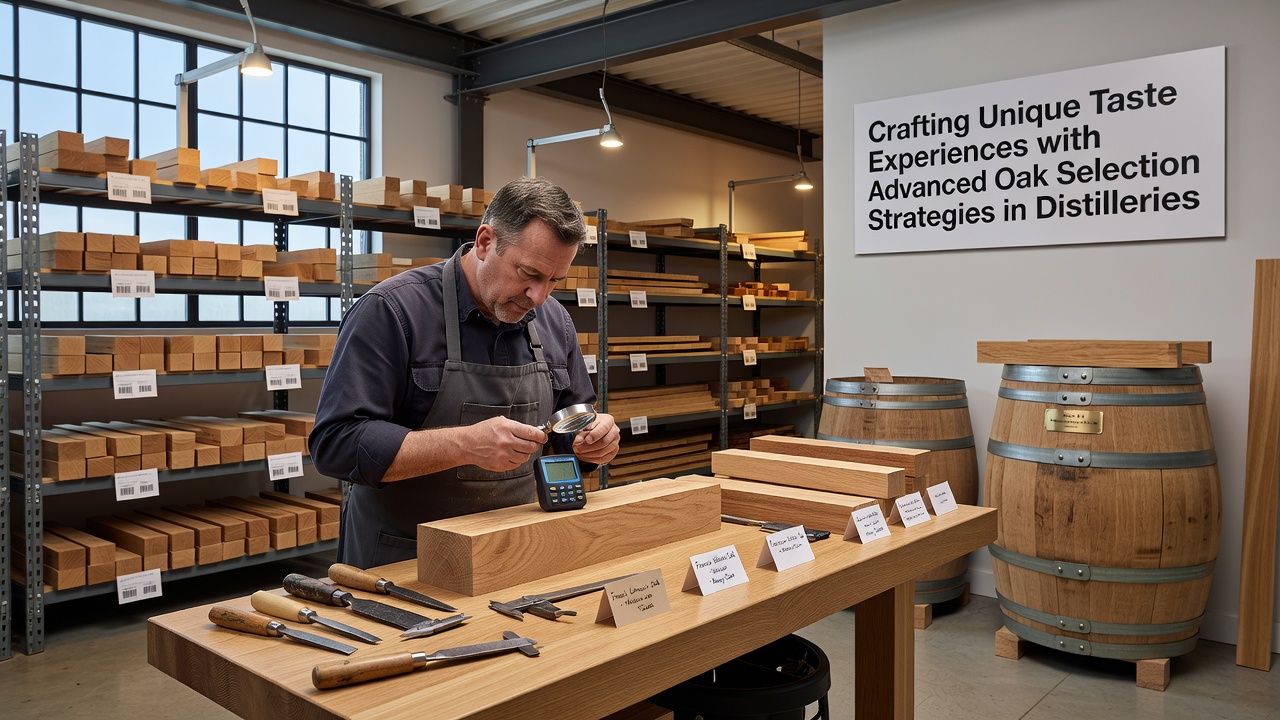
Distilleries rely on precise oak selection to shape the final character of spirits, and advanced strategies now integrate forestry data with chemical analysis to target specific flavor compounds. American white oak from the Quercus alba species dominates many programs because its wide grain allows faster extraction of vanillin and lactones while European oak from Quercus robur and Quercus petraea contributes tighter grain and higher tannin levels that support longer maturation periods. Researchers at institutions across North America and Europe track growth rings, soil composition, and climate variables to predict how each stave lot will interact with different spirit strengths and barrel entry proofs.
Oak Sourcing and Forest Management Data
Forestry services in the United States and France supply cooperages with documented lots that include GPS coordinates, tree age, and seasoning duration, which allows distillers to correlate those variables with resulting spirit profiles. Data from the USDA Forest Service shows that slower-grown oak from higher elevations yields denser wood with elevated extractable polyphenols, whereas faster-grown timber from river valleys produces more open grain suited to shorter aging cycles. Cooperages maintain traceability records that list seasoning method, whether air-dried for 24 to 36 months or kiln-assisted, because moisture content directly affects how much hemicellulose breaks down during toasting and therefore how much sweetness the barrel imparts.
Toasting Protocols and Compound Development
Modern toasting lines use infrared sensors and time-temperature curves to create consistent levels ranging from light to heavy char, each calibrated to release distinct volatile compounds. Light toasts preserve more cellulose-derived sugars that convert to caramel notes, while heavy toasts generate higher concentrations of furfural and 5-methylfurfural that contribute roasted and almond-like aromas. Distilleries log the exact heat profile for every batch because even a 5-degree Celsius difference at the inner surface can shift the balance between vanilla and spice markers once the spirit interacts with the wood for 18 to 48 months.
Grain Selection and Barrel Construction Variables
Grain tightness, measured in rings per inch, serves as a primary selection criterion, and many operations now require minimum thresholds before accepting stave wood. Tighter grain European oak often receives a finer saw cut to maintain structural integrity, whereas American oak tolerates wider grain because its tyloses naturally limit leakage. Barrel makers document the number of staves per cask, the width of each stave, and the type of toast applied to the heads separately from the body, since head oak contributes disproportionately to early flavor pickup during the first six months. Those who've studied maturation kinetics note that head-to-body surface ratios influence ester formation rates, prompting some distilleries to test prototype barrels with altered head dimensions before committing to full production runs.
Flavor Mapping Through Analytical Testing
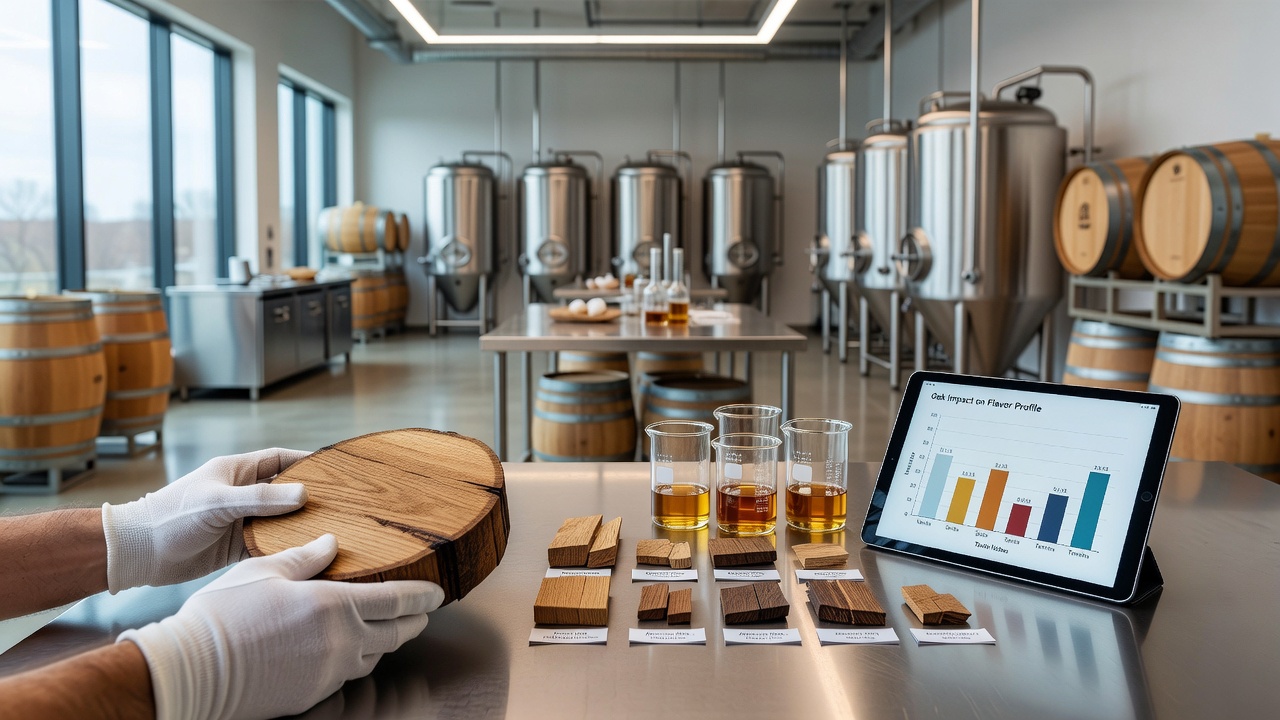
Gas chromatography and mass spectrometry labs quantify key markers such as vanillin, eugenol, and ellagic acid in both new-make spirit and aged samples, giving distillers objective benchmarks rather than relying solely on sensory panels. One study conducted by a Canadian research institute tracked the migration of oak-derived compounds into rye whiskey over 36 months and documented that barrels selected for higher syringaldehyde content produced measurably fruitier top notes after the first year. European regulators require similar compound reporting for protected geographical indication spirits, which has driven adoption of standardized testing protocols across multiple countries and encouraged distilleries to maintain digital libraries of each barrel lot's chemical signature.
Integration with Distillation Parameters
Advanced programs align oak selection with distillation cut points and barrel entry proof because higher proofs extract more tannins while lower proofs favor ester retention. Distillers adjust new-make strength between 55 and 65 percent alcohol by volume depending on the chosen oak lot, and they monitor pH shifts during maturation because wood acids accelerate certain reactions. In September 2026 the International Spirits Technical Symposium will present updated datasets linking specific forest origins with ester profiles across multiple spirit categories, giving producers additional reference points for future oak allocations.
Supply Chain Traceability and Sustainability Metrics
Traceability platforms now record every step from forest to warehouse, including harvest date, drying yard location, and cooperage invoice number, which supports both regulatory compliance and marketing claims about origin. Sustainability certifications from organizations operating in North America and the European Union verify that replacement planting rates match harvest volumes, and some distilleries publish annual oak procurement summaries that list total board feet sourced alongside carbon sequestration estimates. Those metrics help facilities demonstrate that advanced selection strategies also align with long-term raw material availability rather than depleting preferred stands.
Conclusion
Oak selection has evolved from traditional visual inspection to a data-driven discipline that combines forestry records, chemical profiling, and controlled toasting parameters. Distilleries that integrate these elements achieve repeatable flavor outcomes while adapting to variations in wood supply and regulatory requirements across regions. Continued refinement of selection criteria, supported by analytical tools and cross-industry data sharing, enables consistent production of distinctive spirits that reflect both the chosen oak and the surrounding production decisions.