Cameron Otto · 24 October 2026
Revealing Emerging Trends in Cooperage Sustainability Through Industry Events
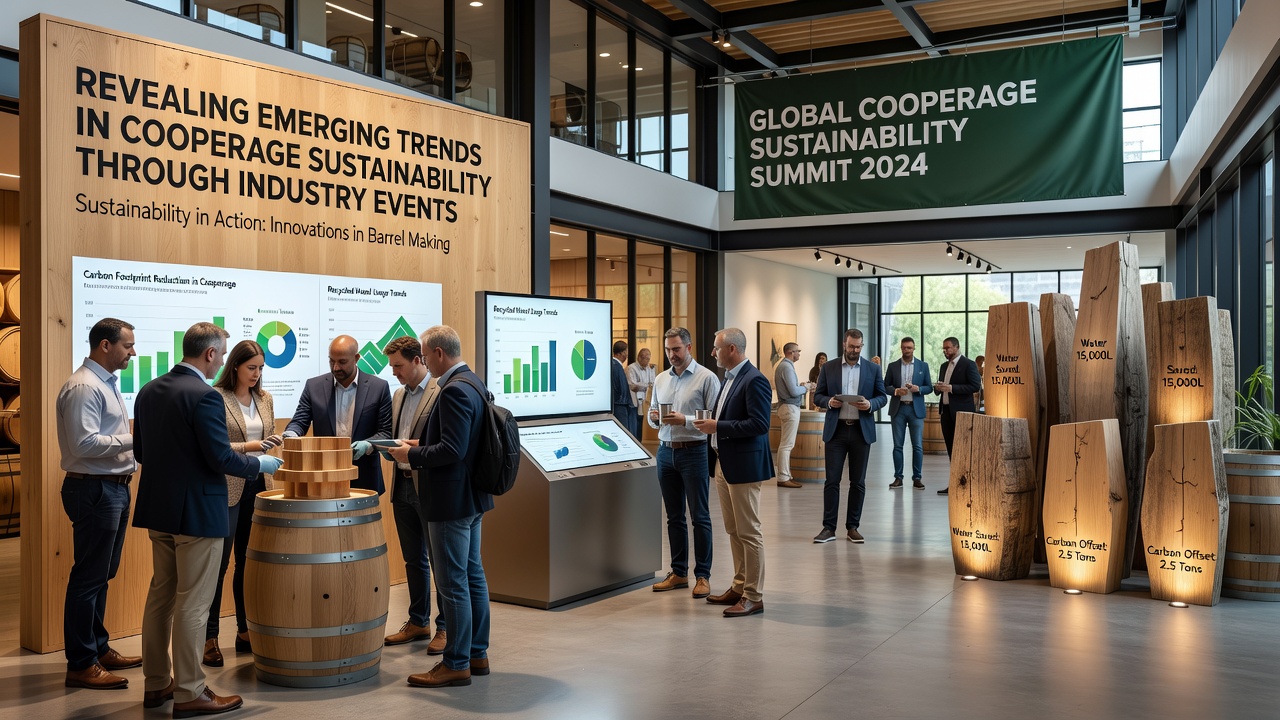
Cooperage sustainability has gained attention at major industry gatherings scheduled throughout 2026, where participants examine wood sourcing methods, barrel production techniques, and end-of-life management strategies. Events in October 2026 feature sessions on certified forestry programs, carbon accounting in stave milling, and reuse protocols that extend barrel service life across multiple production cycles. Data from these assemblies show increased adoption of traceability systems that document each log from forest stand to finished cask.
Key Events Shaping 2026 Discussions
Organizers have scheduled dedicated tracks on sustainable cooperage at several international gatherings, including the October 2026 edition of the World Cooperage Forum in Bordeaux and parallel sessions at the American Distilling Institute conference in Louisville. These programs present case studies from European and North American producers who track material flows using digital tagging. Attendance records indicate over 1,200 registered participants across both events, with workshops covering kiln-drying energy reductions and stave selection algorithms that minimize waste.
Presentations also cover regulatory updates from forestry agencies in multiple regions. The USDA Forest Service published updated guidelines on white oak harvest volumes earlier in the year, while the European Forest Institute released data on Quercus robur regeneration rates in 2025. Attendees review these documents alongside industry reports that quantify water usage and VOC emissions during toasting processes.
Emerging Practices in Material Sourcing
Industry events highlight a shift toward mixed-species barrel programs where manufacturers combine American white oak with European sessile oak from certified stands. Research from the Australian Wine Research Institute documents how such combinations affect oxygen transmission rates over 24-month aging periods. Participants examine supply chain maps that link individual forests to specific stave mills, reducing reliance on single-source regions.
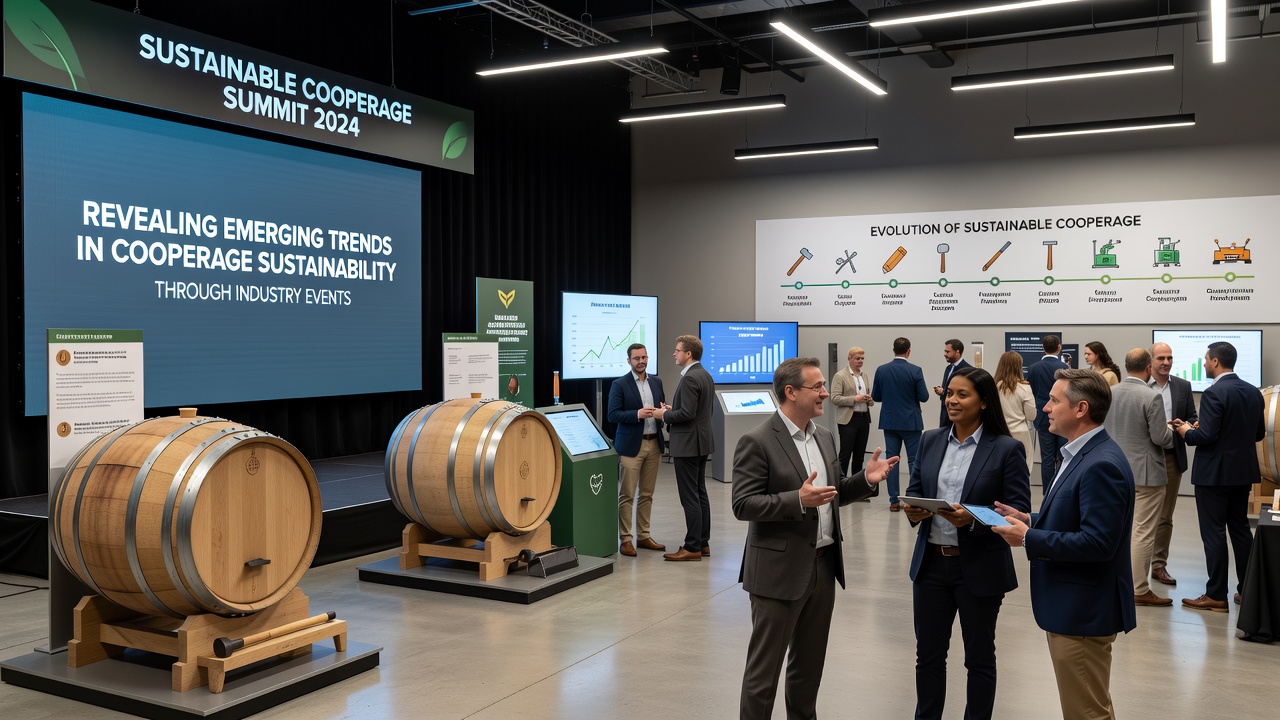
Alternative materials receive equal attention. Several cooperages now test barrels constructed with bamboo or acacia staves for specific spirit categories, and October 2026 panels compare performance data against traditional oak. Figures from the Food and Agriculture Organization indicate that responsibly managed temperate hardwood forests continue to supply the majority of stave wood, with annual harvest volumes remaining below net growth rates in tracked regions.
Recycling and End-of-Life Innovations
Discussions at these gatherings emphasize barrel rejuvenation techniques that allow multiple refills before retirement. One study presented at the 2026 events measured flavor compound extraction after three full cycles of use and reconditioning, showing measurable retention of desirable tannins when char layers are managed carefully. European producers report pilot programs that convert retired staves into flooring or biomass feedstock, diverting material from landfills.
Digital platforms for barrel tracking also appear in demonstrations, enabling producers to log each vessel's history and schedule maintenance. These systems integrate with existing enterprise resource planning tools, providing data that supports claims of reduced material throughput per liter of finished product.
Regional Approaches and Data Sharing
North American and European cooperages present contrasting approaches to energy efficiency during bending and toasting operations. American facilities increasingly rely on biomass boilers fueled by sawdust byproducts, while European operations highlight heat recovery systems that lower natural gas consumption. Comparative data shared at the October events show both methods achieve measurable reductions in Scope 1 emissions when measured against 2020 baselines.
International collaboration has expanded through joint working groups that standardize reporting metrics for water use and wood utilization rates. These groups draw input from producers in Chile, South Africa, and New Zealand, broadening the geographic scope of sustainability benchmarks presented at major gatherings.
Conclusion
Industry events scheduled for October 2026 continue to serve as primary venues for exchanging performance data and technical specifications related to cooperage sustainability. Participants leave with updated information on sourcing protocols, reuse methods, and tracking technologies that shape production decisions across the supply chain. Ongoing monitoring through these assemblies provides measurable indicators of progress in material efficiency and environmental performance for the sector.